⌘
Programming & Data
Python, data preprocessing, exploratory data analysis, dataset validation and structured data workflows.
Hello, It's Me
From real-world data analytics to machine learning research, I love turning complex data into practical, meaningful solutions.

A blend of industry experience, research curiosity, and hands-on problem solving.
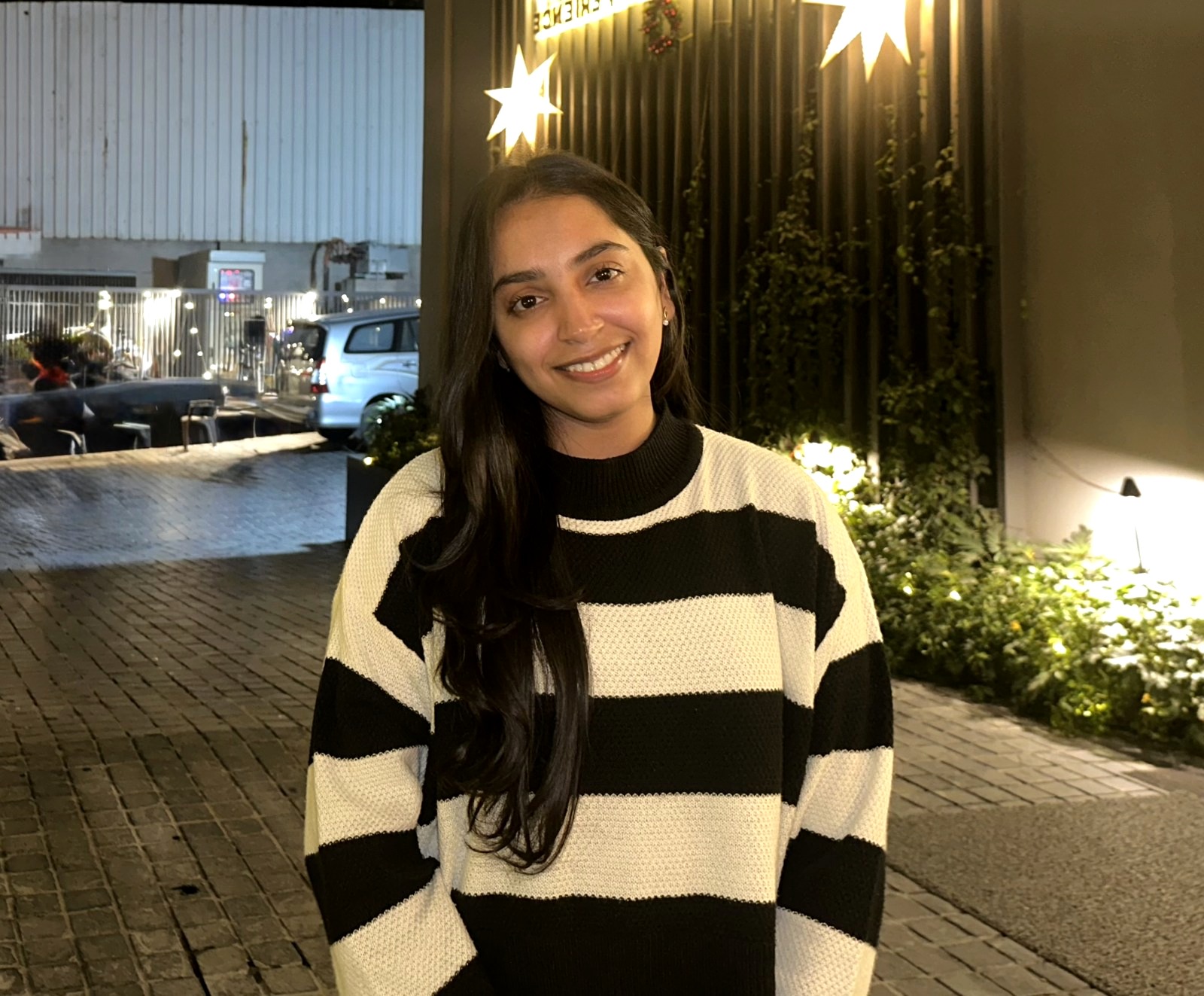
I am an M.Tech student specializing in Artificial Intelligence, with prior professional experience as a Content Data Analyst at ServiceNow. My interests span machine learning, deep learning, retrieval-augmented generation and applied analytics. I enjoy turning messy data into structured information and building systems that make research, prediction and decision-making more accessible. My portfolio brings together enterprise data work, research-oriented prototypes, computer vision models and collaborative hackathon experience.
I enjoy model experimentation, exploring the reasoning behind predictions, and presenting technical work clearly through measurable results.
Not just a list of buzzwords — these are the areas I work with across analytics and projects.
Python, data preprocessing, exploratory data analysis, dataset validation and structured data workflows.
Supervised learning, model evaluation, feature engineering, experimentation and predictive analytics.
Deep learning concepts, temporal modeling, Generative AI fundamentals and applied AI research.
Data quality, analysis workflows, interpreting patterns and communicating findings.
Literature review, baseline comparisons, experimental design and model-performance reporting.
Collaborative ML development, team coordination, iterative improvement and presenting technical outcomes.
Applied record normalization and entity-matching thinking in enterprise data work and the Amazon ML Challenge, including candidate generation and validation workflows.
Experience assessing classification and prediction results, examining model outputs and comparing alternatives; current supplier-risk research remains in progress.
Real enterprise data, real-world impact.
Worked with large-scale network discovery data and software asset records to improve the consistency and reliability of information used in IT Asset Management (ITAM). My role combined detailed software research, normalization rules, content-library maintenance and knowledge documentation.
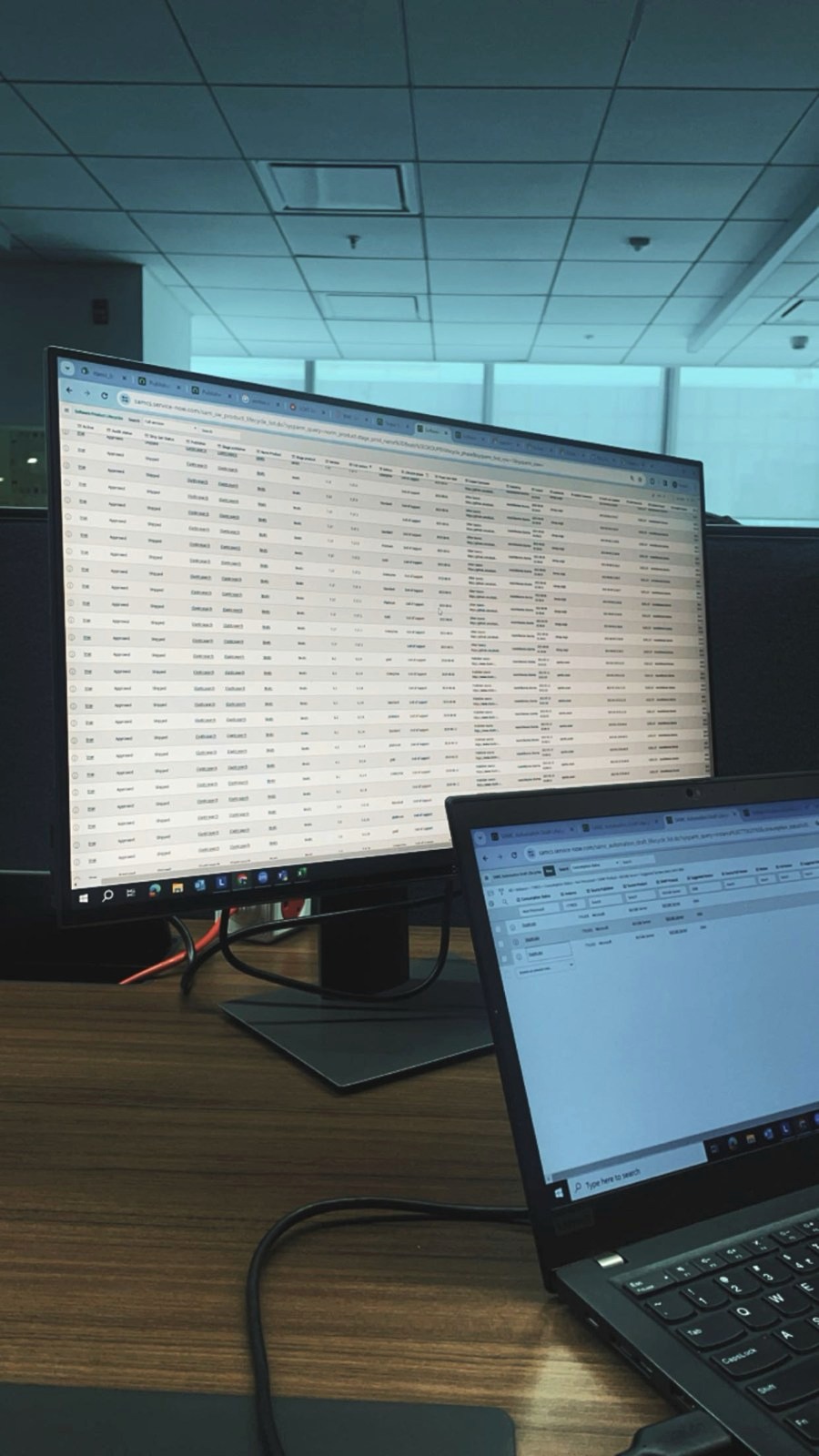 A glimpse into my enterprise data workflow
Standardized raw discovery records, researched software titles, versions and editions, and mapped ambiguous entries to accurate software identities.
Maintained structured software-library content supporting reliable asset identification and license-management workflows.
Investigated software publishers and product families, authored ITAM knowledge-base content, and improved the clarity of reference materials.
Detailed case studies with project goals, implementation notes, real screenshots and reported outcomes. Select a gallery image to inspect it at full size.
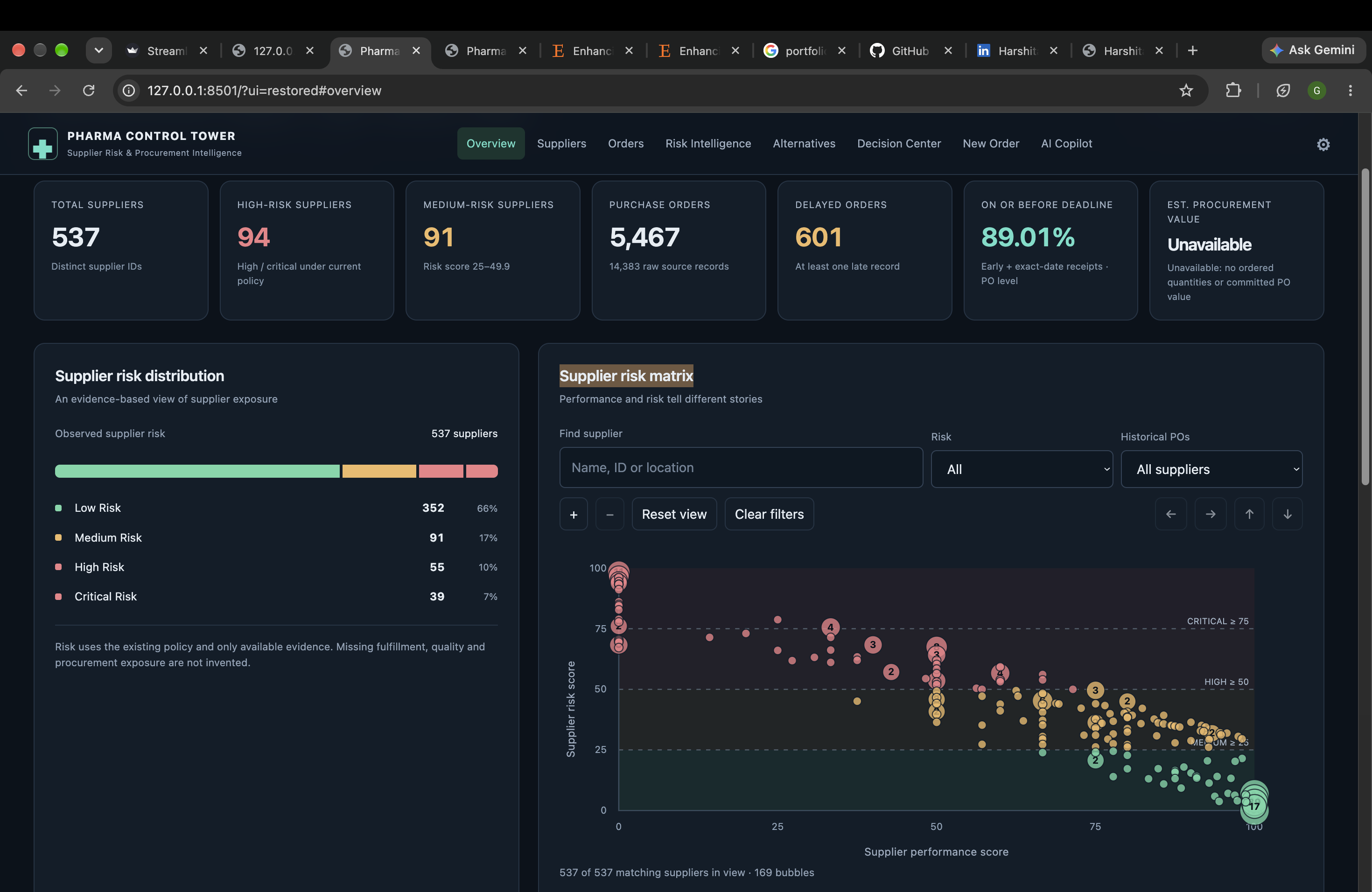
Pharma Control Tower: a supplier-risk and procurement-intelligence dashboard. The current interface provides supplier risk segmentation, supplier profiles, and purchase-order visibility. Research on supplier efficiency and late-delivery prediction using DEA, TCN and comparative ML evaluation is ongoing; predictive performance has not yet been finalized.
Procurement teams need a consolidated view of supplier reliability, order delays and emerging delivery risks. Fragmented supplier and purchase-order records can make prioritization difficult.
The Pharma Control Tower prototype consolidates supplier and order records into an overview dashboard, supplier-risk distribution, performance-versus-risk visualization and high-risk supplier profiles. The displayed dataset currently includes 537 suppliers and 5,467 purchase orders.
The M.Tech work draws on supplier-efficiency analysis with Data Envelopment Analysis (DEA) and late-delivery modeling with Temporal Convolutional Networks (TCN). Comparative ML experiments and validation are planned or underway, not final results.
The images show a functioning analytical interface and risk-profile views. Dashboard risk scores are operational outputs; they should not be interpreted as independently validated model accuracy.
A research assistant that processes academic PDFs, supports retrieval-augmented question answering, represents research concepts through knowledge graphs, and visualizes keyword trends. Explore the actual application screens below.
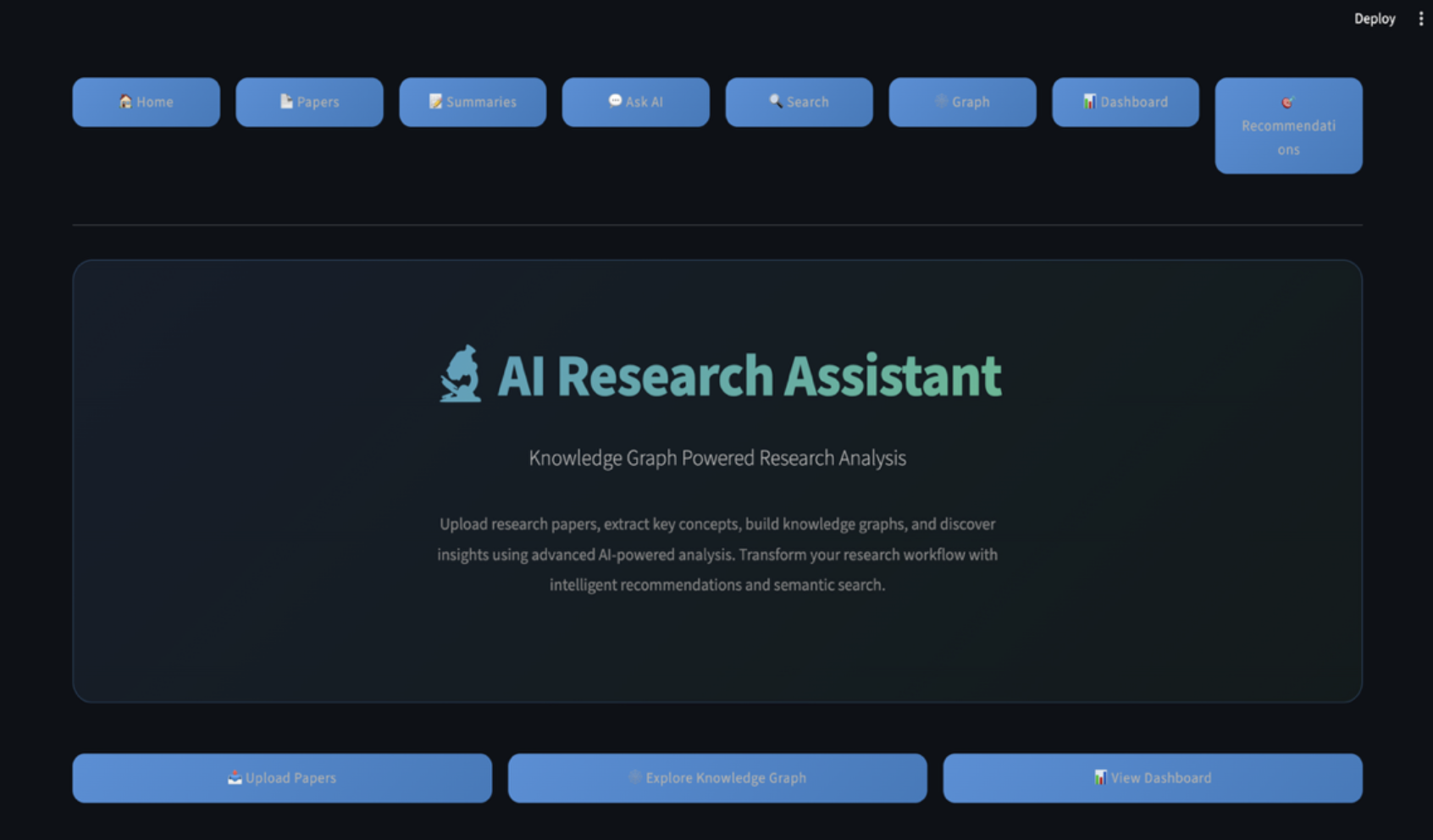
Designed to help students navigate large volumes of academic literature. Users can upload research PDFs, process document text and explore paper content using AI-assisted retrieval and research-focused interfaces.
The project combines retrieval-augmented generation with knowledge-graph representations to organize relationships among papers, topics and concepts. This provides a structured complement to text-based search and generated answers.
The gallery shows successful PDF processing, a visual graph of connected research concepts and a keyword-frequency dashboard for identifying recurring themes.
Document ingestion, semantic retrieval, concept extraction, visualization and usable research workflows. The screenshots document features, not benchmarked answer-quality scores.
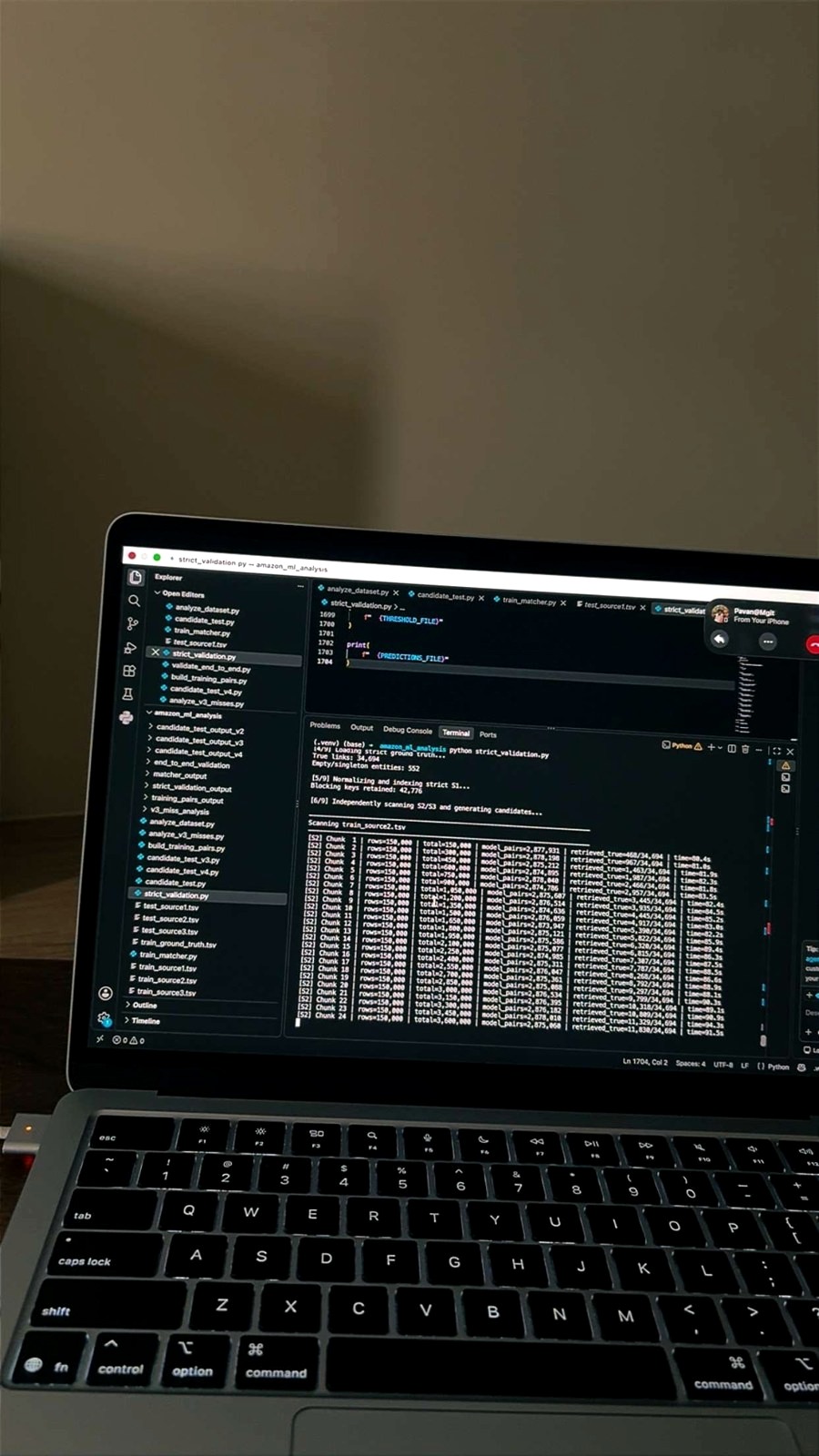
Collaborative machine-learning work on structured-data entity matching. Our team achieved a 0.86 leaderboard score. The photograph below captures my actual development workflow.
Worked with a team on matching related entities across structured data sources. The workflow involved analyzing source datasets, generating candidate matches, applying normalization and matching logic, and validating the resulting predictions.
Contributed to the team's development and testing process, including code for dataset analysis, candidate generation and strict validation. The accompanying photograph documents the implementation environment.
Our team achieved a 0.86 leaderboard score. This is the reported challenge leaderboard result, not a claim of production accuracy or a final competition rank.
EfficientNet and CNN transfer learning with image preprocessing and augmentation; reported 95%+ accuracy in the project.
Prepared MRI images through resizing, normalization, noise reduction and augmentation before fine-tuning EfficientNet and CNN-based classifiers using transfer learning.
The project reports accuracy above 95%. This is a project result and should not be interpreted as a clinical validation or diagnostic claim.
Facial expression classification with CNN, VGG16 and ResNet; reported up to 90% accuracy in the project.
Built a facial-expression recognition pipeline using CNN architectures including VGG16 and ResNet. Trained and evaluated on image datasets with a focus on classification from images and video frames.
Up to 90% accuracy was reported in the project; real-world performance depends on dataset conditions and deployment context.
Clean credential cards with direct links to the official verification pages — no mobile screenshots.
Databricks Accredited Generative AI Fundamentals.
View verified credential ↗Foundational knowledge of agentic AI concepts and systems.
View verified credential ↗Software Developer Internship — Exposys Data Labs; Complete Python Bootcamp — Udemy; Azure Cloud Computing — Verzeo.
Training listed in my resume; verification links not supplied.
Mahatma Gandhi Institute of Technology, Hyderabad
Guru Nanak Institutions Technical Campus
Open to AI/ML engineering, data science and GenAI opportunities. Reach out via LinkedIn or email.